Originality Script: A Modern Handwritten Font Bridging Tradition and Innovation
In an era where digital communication dominates, the visual appeal of text remains a critical factor in capturing attention and conveying tone. Originality Script, a modern handwritten script font, stands out as a unique blend of classic authenticity and contemporary design. This font is not just about aesthetics; it's a tool that can elevate the impact of your content across various platforms. Whether you're crafting a personal blog, designing marketing materials, or developing educational resources, understanding the nuances of Originality Script can help you make more informed decisions about typography.
The rise of minimalist and clean design trends has led to a growing appreciation for fonts that offer both elegance and readability. Originality Script fits this need perfectly, combining the fluidity of a handwritten style with the precision of modern typography. It’s a font that feels personal yet professional, making it versatile enough to suit a wide range of applications.
Characteristics of Originality Script
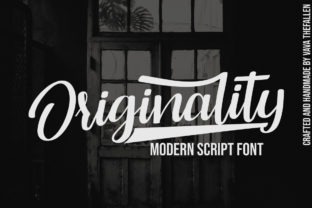
At its core, Originality Script is defined by its organic feel. Each letter appears as if it were written by hand, with subtle variations in stroke weight and line thickness that mimic natural pen movements. These characteristics give the font a human touch, distinguishing it from more rigid, machine-generated typefaces.
One of the most notable features of Originality Script is its balance between legibility and artistic flair. While it maintains the readability required for body text, it also adds a sense of personality and warmth that can be absent in more formal fonts. This makes it particularly well-suited for headings, logos, and other elements where visual interest is important.
Another key aspect of Originality Script is its adaptability. The font comes in multiple weights and styles, allowing designers to tailor it to different contexts. For instance, a lighter version might be ideal for a subtle watermark, while a bolder variant could serve as a striking headline.
Design Elements That Define Originality Script
The design of Originality Script incorporates several elements that contribute to its unique identity:
- Stroke Variation: The font uses varying stroke widths to create depth and dimension, giving each character a three-dimensional quality.
- Letter Spacing: Carefully adjusted spacing between letters enhances readability without compromising the flow of the script.
- Connectivity: Many letters are connected, mimicking the way one would write them by hand, which adds to the font's cohesive and fluid appearance.
- Ascenders and Descenders: These are used thoughtfully to maintain balance and proportion across all characters.
These design choices ensure that Originality Script remains both visually appealing and functionally effective, regardless of the medium it's used on.
Advantages of Using Originality Script
The advantages of using Originality Script extend beyond its aesthetic appeal. Its versatility and usability make it a valuable asset for professionals, creators, educators, and business owners alike.
For designers and developers, Originality Script offers a fresh alternative to traditional sans-serif or serif fonts. It can add a distinctive touch to websites, apps, and print materials without overwhelming the viewer. Its ability to convey emotion and personality makes it especially useful in branding and advertising contexts.
Educators and researchers can benefit from using Originality Script in academic settings. The font's readability ensures that complex information remains accessible, while its unique style can help differentiate course materials or research papers from standard formats.
Business owners looking to enhance their brand identity may find Originality Script to be an excellent choice for logos, packaging, and promotional content. The font's warmth and approachability can help establish a connection with customers, making it ideal for industries such as fashion, food, and lifestyle.
Creators and hobbyists, including bloggers, artists, and writers, can use Originality Script to add a personal touch to their work. Whether it's for a signature, a quote, or a heading, the font can help express individuality and creativity in a meaningful way.
Real-World Applications of Originality Script
Originality Script finds its place in numerous real-world scenarios. Here are a few examples:
- Web Design: As a header or call-to-action button, Originality Script can draw attention and guide users through a website with visual appeal.
- Print Media: From wedding invitations to magazine covers, the font can bring a sense of elegance and sophistication to printed materials.
- Digital Marketing: In social media posts, email campaigns, and online advertisements, the font can help stand out in a crowded digital landscape.
- Academic Work: Used in thesis titles, presentation slides, or study guides, it can make complex ideas more engaging and memorable.
- Personal Projects: Bloggers, artists, and writers can use the font to add a personal flair to their content, helping to build a stronger connection with their audience.
These diverse applications highlight the font's flexibility and effectiveness in various contexts.
Considerations When Using Originality Script
While Originality Script offers many benefits, there are certain considerations to keep in mind when using it. Understanding these factors can help ensure that the font is used effectively and appropriately.
Firstly, it's important to consider the context in which the font will be used. While Originality Script is highly readable, its handwritten nature may not be suitable for long blocks of text. It works best in short bursts, such as headlines, subheadings, and captions.
Secondly, pairing Originality Script with other fonts can enhance its visual impact. Combining it with a complementary sans-serif or serif font can create a balanced and harmonious design. For example, using Originality Script for headings and a clean sans-serif font for body text can provide a clear visual hierarchy.
Thirdly, color and contrast play a crucial role in ensuring that the font remains legible. Choosing the right color palette and background can help prevent the font from becoming too difficult to read, especially in digital formats.
Finally, it's worth noting that while Originality Script is a powerful tool, it should be used judiciously. Overusing it can lead to a cluttered or unprofessional appearance, so it's important to strike a balance between creativity and clarity.
Tips for Maximizing the Use of Originality Script
To get the most out of Originality Script, here are some practical tips:
- Use It Sparingly: Reserve Originality Script for key elements like headings, logos, and call-to-action buttons rather than using it throughout the entire design.
- Pair It with Complementary Fonts: Choose a font that complements Originality Script in terms of style and weight to create a cohesive look.
- Experiment with Color: Try different colors and backgrounds to see how they affect the font's visibility and overall aesthetic.
- Test Across Devices: Ensure that the font looks good on both desktop and mobile screens, as well as in print formats.
- Stay Consistent: Maintain a consistent use of the font throughout your project to avoid confusion and ensure a unified design.
By following these tips, you can ensure that Originality Script is used effectively and to its fullest potential.